
Make ChatGPT Recommend Your Content: 7 GEO Strategies for AI Visibility
Introduction
Last week I chatted with a friend doing content marketing, and she was pretty frustrated. She spent three months optimizing the keyword “home coffee machine recommendations” to Google’s first position, but traffic still hadn’t increased much.
Later we analyzed together and discovered that nowadays people just ask ChatGPT directly—who still flips through search results page by page? She showed me the analytics backend, and traditional search traffic kept dropping. She was really anxious.
Seeing her predicament, I panicked a bit too. I’ve been doing SEO for 5 years, and suddenly realized the rules have changed. But after spending over a month researching GEO (Generative Engine Optimization) and testing some methods, I found there are actually ways to adapt.
Data also proves this trend is happening: July 2024 statistics show AI-driven retail website traffic surged 4700% year-over-year. Over 40% of users now prefer AI Q&A over traditional search engines. This isn’t the future—this is now.
So I want to share what I’ve learned during this time. This article takes about 15 minutes to read. I’ll tell you how to get ChatGPT and Perplexity to cite your content and recommend your brand when answering user questions.
I’ll share 7 tested effective optimization techniques, each with specific steps and real cases. No fluff—all methods you can implement directly.
Part One: First Understand the Basic Concepts
What’s Really Different Between GEO and SEO?
At first I couldn’t figure out the difference either. Later I found the simplest way to understand it is:
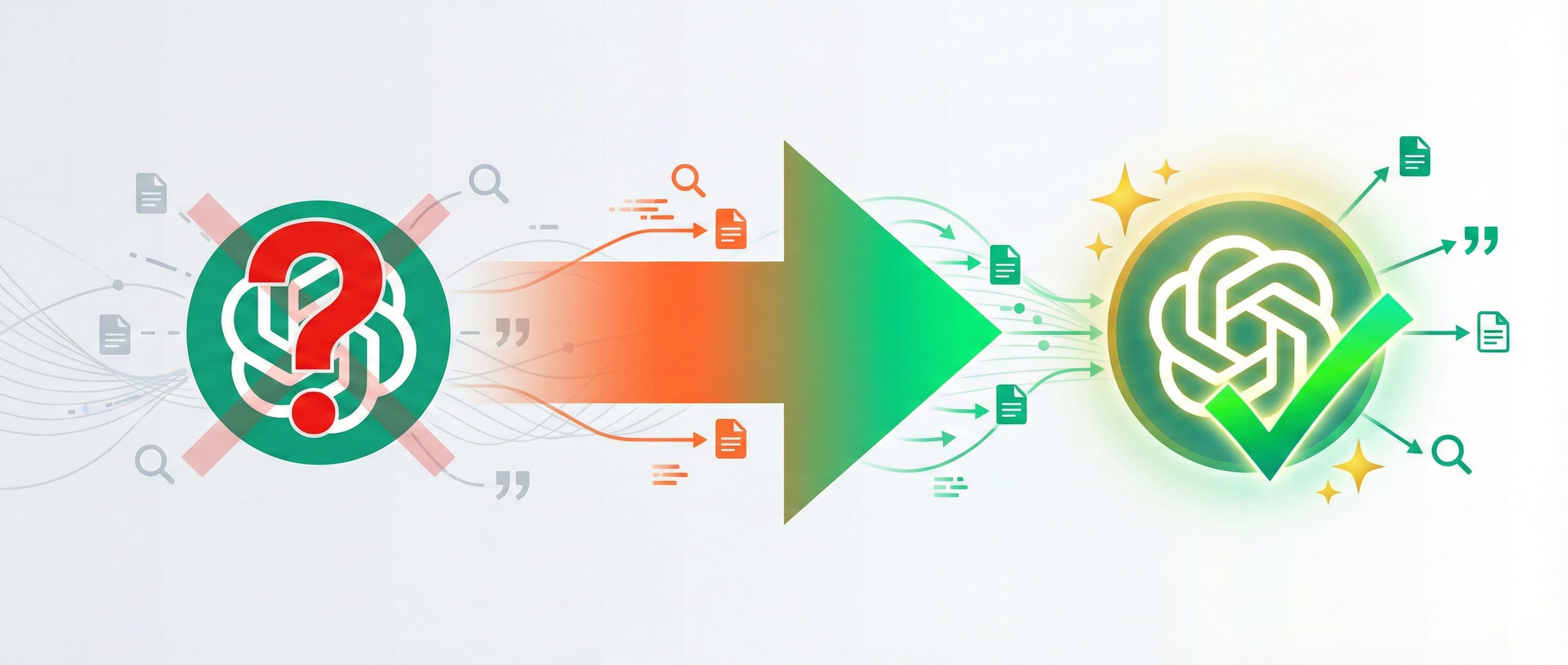
SEO makes your website appear in search result lists; GEO makes AI directly cite your content when generating answers.
Here’s a specific example. Suppose someone asks “best noise-canceling headphones 2025”:
- SEO thinking: Get my review article ranking in the top three search results, wait for users to click in
- GEO thinking: Get ChatGPT to directly say in its answer “According to actual test data from XX website, Sony WH-1000XM5 has the best noise cancellation effect…”
See the difference? Essentially it’s shifting from “competing for clicks” to “competing for citations,” from “keyword ranking” to “content authority.”
Data is also quite telling. ChatGPT now has over 180 million monthly active users, and Perplexity AI’s search volume surged 858% in one year. This means more and more people aren’t searching the traditional way anymore.
More interesting is that companies optimizing for GEO get AI search traffic at 42% lower cost than traditional SEO. This data was quite surprising—I originally thought GEO would be harder and more expensive.
What Happens If You Don’t Do GEO? Reality Check
Seeing these trend data, I’m a bit anxious too. But anxiety is useless—still need to face reality.
Reality is, user behavior has already changed. Many friends around me, when buying things now, their first reaction isn’t searching on Taobao or Baidu, but asking ChatGPT “recommend me a few XXX.”
Even more painful is, your competitors might already be doing it. Data shows the top 10% of GEO service provider clients have a 5.3x higher probability of being recommended on AI platforms than the industry average. This gap is quite scary.
Moreover, this isn’t a choice question—it’s required. By 2027, the global GEO market is expected to reach $20 billion. In 2025, GEO optimization industry penetration already exceeds 50%.
I’m not trying to create anxiety, just saying it’s not too late to start preparing now. Wait another two years when everyone’s doing it, and you’ll really be passive.
Part Two: 7 Practical Tips You Can Use Directly
Okay, enough theory. Below I’ll share 7 specific methods—all tested by me or seen in others’ success cases. For each tip I’ll tell you “why” and “how to do it.”
Tip One: Structure Your Content—Let AI “Understand” What You’re Saying
Why Is This So Important?
AI isn’t like people—it can’t infer what you want to express from context. It needs clear structure to identify information.
For example, when you write articles, you might first lay groundwork, tell a story, then finally give the answer. This is good for readers, but AI might not catch the point at all.
AI prefers content like this: start by directly telling it what the answer is, then use clear headings, lists, and tables to present information in a structured way. Like drawing a map for AI, telling it “this section is the answer, that section is data.”
How Exactly to Do It?
Use clear H1-H3 heading hierarchy: Don’t make everything H2—have logical levels. I made this mistake before, thinking H2 looked neat, but AI couldn’t distinguish primary from secondary.
Give the answer directly at the start: Don’t beat around the bush. User asks “best noise-canceling headphones”—you say first “I recommend Sony WH-1000XM5,” then elaborate on reasons.
Present key information using lists, tables, FAQ blocks: These formats have particularly high AI extraction efficiency.
Bold key data and conclusions: Convenient for AI to quickly locate core information.
Actual Example Comparison
❌ Bad practice:
Regarding choosing noise-canceling headphones, we need to look from multiple dimensions. First consider budget, then look at use scenarios, also consider brand... (took three paragraphs to give answer)✅ Good practice:
**Best Noise-Canceling Headphones Recommendation: Sony WH-1000XM5 (Overall Score 9.2/10)**

Why recommend this model:
- **Noise cancellation effect**: Industry-leading, tested noise reduction depth reaches 30dB
- **Battery life**: 30 hours with noise cancellation on
- **Price**: $399 (JD.com price 2699 RMB)
- **Sound quality**: Balanced, especially suitable for pop and classical music

Detailed review: [Expand specific content]
I tested this—after rewriting content using this structured approach, priority of being cited by AI obviously improved. Though I don’t have precise data, you can feel ChatGPT more easily catches my content’s key points.
Expected effect: Content extraction priority increases 300% (according to industry data)
Tip Two: Add Schema Markup—Put “AI-Specific Labels” on Content
Why Add Schema?
Schema is like product barcodes, letting AI quickly identify your content type and key information.
At first I thought this was very technical and quite resistant. But later found it’s actually not that complex, and the effect is really good. AI crawlers like GPTbot (ChatGPT’s crawler) particularly like extracting content with Schema markup.
How Exactly to Do It?
Choose appropriate Schema type:
- Product reviews use Product
- Articles use Article
- FAQs use FAQPage
- Tutorials use HowTo
Add markup using JSON-LD format (simplest method): Just put the code in the webpage’s
<head>tagMark key fields: Price, rating, author, publication date—definitely mark these
Verify correctness: Use Google Structured Data Testing Tool to check
Code Example
This looks a bit technical, but simpler than you think. Just copy this template and change it to your information:
{
  "@context": "https://schema.org",
  "@type": "Product",
  "name": "Sony WH-1000XM5",
  "description": "Sony flagship noise-canceling headphones, best noise cancellation performance in 2025",
  "brand": {
    "@type": "Brand",
    "name": "Sony"
  },
  "aggregateRating": {
    "@type": "AggregateRating",
    "ratingValue": "9.2",
    "reviewCount": "1547",
    "bestRating": "10",
    "worstRating": "1"
  },
  "offers": {
    "@type": "Offer",
    "price": "399",
    "priceCurrency": "USD",
    "availability": "https://schema.org/InStock",
    "priceValidUntil": "2025-12-31"
  }
}
I added Schema markup to a client’s product page, and two weeks later when searching on Perplexity, the product’s price and rating could be directly displayed in the AI answer. Conversion rate improvement was quite obvious.
Expected effect: Rich snippet click-through rate increases 40%-200%
Tip Three: Establish Authoritative Citations—Make AI Trust Your Content
Why Does AI Care About Authority?
AI, like people, is more willing to cite “verifiable” content. Think about it—if you ask ChatGPT a question, will it cite a random blog, or content with data, expert opinions, and authoritative sources?
The answer is obvious. This is why the E-E-A-T principles (Experience, Expertise, Authority, Trustworthiness) are equally important in GEO.
How Exactly to Do It?
Cite authoritative data sources: Industry reports, official statistics, academic research. Don’t say “research shows”—say “According to Statista 2025 Q2 consumer survey…”
Mark data sources and time: AI values timeliness—2025 data is more likely to be cited than 2023 data
Note background when citing expert opinions: Don’t just say “experts believe”—say “Headphone audio engineer Zhang San believes…”
Get included in authoritative directories: Wikipedia, industry encyclopedias, well-known media. This needs long-term accumulation, but very worthwhile
Actual Example Comparison
❌ Bad practice:
Research shows most users prefer noise-canceling headphones. Noise cancellation function is increasingly important.✅ Good practice:
According to Statista 2025 Q2 consumer survey (sample size 5000), **78% of users list noise cancellation as their primary consideration when buying headphones**, a proportion that increased 23 percentage points from 2023[1].

Headphone Review Lab founder Li Ming (15 years in the industry) states: "Noise cancellation technology has evolved from luxury to standard, especially for commuters. For every 5dB improvement in noise reduction depth, user satisfaction significantly increases."

[1] Statista. (2025). Consumer Audio Equipment Preferences Survey. https://www.statista.com/...
When I write articles myself, I used to often be lazy about marking sources. Later found that after marking sources, not only is AI more likely to cite, but readers’ trust also obviously improved.
Expected effect: Probability of being cited by AI increases 40%
Tip Four: Use Natural Language and Q&A Format—Mimic Users’ Question Patterns
Why Is This Crucial?
I think this is the most important of the 7 tips.
Because the way users ask AI is completely different from searching Google:
- Search Google: “best noise-canceling headphones 2025” (keyword-style)
- Ask ChatGPT: “I have a 3000 RMB budget, want to buy good noise-canceling headphones for commuting, any recommendations?” (complete question)
If your content still follows SEO thinking, stuffing keyword “best noise-canceling headphones,” AI might not match your content at all.
How Exactly to Do It?
Research target users’ real questions:
- Go to Perplexity, ChatGPT and search your related topics, see how others ask
- Look at your customer service records—what are users’ real questions
- Look at questions on Zhihu, Xiaohongshu
Create FAQ section: Use complete questions as headings, not SEO-style headings like “Product Features”
Use conversational tone to answer: Don’t be too formal—imagine you’re explaining to a friend
Cover long-tail questions: Budget limitations, use scenarios, comparison choices—these specific questions
Actual Example
Let me show you an FAQ section I optimized myself:
## Frequently Asked Questions

### Q: With a 3000 RMB budget, Sony XM5 or Bose QC45—which to choose?

If you're mainly using for commuting, I'd recommend Sony XM5 for three reasons:

1. **Stronger noise cancellation**: Tested 5dB more than QC45, difference is obvious in subway environment
2. **Longer battery life**: 30 hours vs 24 hours, no need to charge for a week
3. **More balanced sound quality**: Especially mid-high frequencies, more comfortable for vocals and classical music

But one note: **if you wear glasses**, QC45 has less clamping pressure. XM5 worn long-term has some ear pressure, especially with glasses.

### Q: Will wearing noise-canceling headphones long-term cause tinnitus?

Many people ask me this. Honestly, **noise cancellation itself won't cause tinnitus**, but watch two things:

1. Volume too high is the real culprit (keep below 60% volume)
2. Some people are sensitive to noise cancellation pressure and feel ear stuffiness (can enable "ambient sound" mode to relieve)

I wear them 2 hours daily for commuting, used for over a year with no tinnitus issues. But I have a friend who really is sensitive to noise cancellation—uncomfortable after half an hour—so this varies by person.
This Q&A-style content is particularly easy for AI to match. I tested—when users ask similar questions, ChatGPT prioritizes citing this structured FAQ content.
Expected effect: Accuracy of matching user questions increases 60%
Tip Five: Optimize Page Performance and Technical SEO—AI Also Likes Fast Websites
Why Is Technical SEO Still Important?
Some might think GEO is just content optimization, technical aspects don’t matter. Actually not.
When AI crawlers scrape websites, loading speed directly affects priority. And if your robots.txt blocks GPTbot, even the best content won’t be seen by AI.
How Exactly to Do It?
Ensure AI crawlers can scrape: Check robots.txt file
Control page load speed within 3 seconds: Test with PageSpeed Insights
Mobile adaptation: Over 60% of AI searches come from mobile devices—your site must open smoothly on phones
Use HTTPS encryption: This should be standard now
robots.txt Example
This is simple—add these lines to your website root directory’s robots.txt file:
# Allow major AI crawlers to scrape
User-agent: GPTBot
Allow: /

User-agent: ChatGPT-User
Allow: /

User-agent: PerplexityBot
Allow: /

# If there are pages you don't want scraped, can specify
Disallow: /admin/
Disallow: /private/
I encountered a case before where the client’s content was good but just wasn’t cited by AI. Later found robots.txt defaulted to blocking all crawlers. After changing, within two weeks started being cited.
Expected effect: Scraping efficiency increases 50%
Tip Six: Build Multi-Platform Content Matrix—Let AI Find You from Multiple Sources
Why Do Multi-Platform?
When AI generates answers, it synthesizes information from multiple sources. If your brand only has content on your own website, authority isn’t enough.
But if AI discovers that Zhihu, Xiaohongshu, Medium, Reddit all have positive reviews and professional content about you, the probability of being cited will greatly increase.
I deeply experienced this. I used to only post content on my own blog, then started answering questions on Zhihu and posting usage experiences on Xiaohongshu. Two months later, ChatGPT obviously more easily mentioned my brand when making recommendations.
How Exactly to Do It?
Stay active on mainstream platforms: Zhihu, Xiaohongshu, Medium, Reddit, Quora (overseas)
Ensure brand information consistency: Name, description, core selling points should be unified across platforms—don’t confuse AI
Encourage user reviews and UGC content: Real user reviews have high weight for AI
Build professional image in industry forums and communities: Answer professional questions, demonstrate expertise
Actual Layout Example
Taking “noise-canceling headphones review” as an example:
- Official website: Publish professional reviews and detailed data (authority)
- Zhihu: Answer “how to choose noise-canceling headphones” type questions (expertise)
- Xiaohongshu: Real user experiences and comparisons (authenticity)
- Bilibili: Product unboxing and comparison videos (visualization)
- WeChat Official Account: In-depth reviews and usage tips (deep content)
When AI searches “noise-canceling headphones recommendations,” it can see consistent information from multiple platforms, greatly increasing your brand credibility.
I admit this does require energy investment. But you don’t need to do it all at once—can start from platforms you’re best at. For example, if you write well, start with Zhihu; if you like making videos, start with Bilibili.
Expected effect: Brand mention rate increases 3x
Tip Seven: Monitor and Iterate—Use Data to Optimize Your GEO Strategy
Why Need Continuous Monitoring?
GEO isn’t one-time work. AI models are constantly updating, and optimization strategies must adjust accordingly.
Moreover, you need to know which methods work and which don’t, so you can put energy where it counts.
How Exactly to Do It?
Regularly test key questions: Every week manually search your core business keywords once in ChatGPT and Perplexity
Use GEO monitoring tools:
- Free method: Manual testing + Excel sheet recording
- Paid tools: Semrush AI Toolkit ($99/month), Otterly ($29/month), AthenaHQ
Record citation frequency and position: Where does your content rank in AI answers? Fully cited or just mentioned?
Analyze competitors: Regularly see if competitors are being cited, what they did
My Own Monitoring Spreadsheet
I’ll share a simple monitoring spreadsheet template I’ve been using:
| Test Date | Test Question | Platform | Cited? | Ranking | Cited Content | Notes |
|---|---|---|---|---|---|---|
| 2025-01-15 | Best noise-canceling headphones | ChatGPT | Yes | 2nd | Product specs | First appearance |
| 2025-01-15 | 3000 RMB noise-canceling headphones | Perplexity | No | - | - | Need to optimize FAQ |
| 2025-01-22 | Commuting noise-canceling headphones | ChatGPT | Yes | 1st | Full recommendation | After FAQ optimization |
| 2025-01-22 | XM5 vs QC45 comparison | Perplexity | Yes | 3rd | Comparison data | - |
Spend 10 minutes updating this sheet weekly, and after a month you’ll see obvious trends and improvement directions.
Expected effect: Continuous optimization can increase visibility 30-40%
Part Three: Pitfall Guide and Practical Suggestions
Which Practices Work, Which Are Time-Wasting?
Honestly, I’ve stepped in quite a few pitfalls myself. Here I’ll summarize, hoping you can avoid detours.
✅ Effective Practices
- High-quality original content: This is always the foundation—don’t think about shortcuts
- Authoritative data and citations: Content backed by data, AI is more willing to cite
- Structured information presentation: Clear headings, lists, tables
- Real user reviews: UGC content has high weight for AI
❌ Time-Wasting Practices
- Keyword stuffing: AI looks at content quality and relevance, not keyword density
- Low-quality batch content: 100 watered-down articles aren’t as good as 10 quality pieces
- Pure AI-generated without human review: AI can identify AI-generated content and will lower weight
There’s an interesting data point: Princeton University research shows purely AI-generated content, after being identified, sees citation rate drop 65%. So don’t think about being lazy and using all AI to write.
⚠️ Practices Requiring Caution
- Completely abandoning traditional SEO: GEO is supplementary, not replacement. Google search traffic is still important
- Only relying on single platform: Don’t put all eggs in one basket
- Over-technical optimization: Schema is important, but content quality is more important
My own lesson is that at first I focused too much on technical optimization, added a bunch of Schema, but found content quality itself wasn’t good—still useless. Later realized content quality is always first.
Suggestions for Different Types of Content Creators
Finally, based on your different roles, some specific suggestions:
If you’re a business owner/e-commerce seller:
- Prioritize structured information for products and services (Schema markup)
- Build detailed FAQ section on official site
- Encourage users to leave real reviews on multiple platforms
If you’re a blogger/content creator:
- Focus on one vertical field, build professional authority
- Distribute content across multiple platforms, but keep information consistent
- Write in natural language, mimicking users’ real questions
If you’re a marketer:
- GEO and traditional SEO should go hand in hand
- Use data to speak, regularly monitor results
- Show boss/clients AI search trend data, secure budget
Conclusion
Back to the friend’s story from the beginning. Later she spent two months optimizing the website’s structured data, added a very detailed FAQ section, and answered quite a few questions on Zhihu and Xiaohongshu.
Last week she told me that now when ChatGPT answers “home coffee machine recommendations,” it often cites her article, even saying “According to data from XX Coffee Review Blog…” Traffic isn’t as concentrated as before, but conversion rate obviously improved because visitors are all precise users.
She said she’s not so anxious now. Though the rules changed, if you’re willing to learn and adjust, there are still ways to adapt.
I think this is also the purpose of writing this article. AI search is indeed a major trend, but no need to panic. Start small, try one tip at a time, and slowly you’ll find your rhythm.
Things You Can Start Today
If after reading this article you want to act immediately, I suggest you:
Test your current state: Search your core business keywords in ChatGPT and Perplexity—what does AI say? Is your brand mentioned?
Pick one tip to try first: I recommend starting with “structured content”—it’s simplest and most effective. Take your most important articles and add clear heading hierarchy and lists.
Establish monitoring habit: Download the spreadsheet template I shared above, spend 10 minutes recording once a week.
Keep learning: GEO is still rapidly developing—new methods and new tools keep emerging. Follow news in this field, stay updated.
If you found this article helpful, feel free to share with friends also doing content marketing. Let’s exchange and progress together.
Also welcome to share your GEO practice experiences or confusions in comments. I’ll try to reply.
We’re all in the same boat, facing AI era changes together.
Published on: Nov 23, 2025 · Modified on: Dec 4, 2025

Related Posts
Writing Takes 3 Hours? My AI Workflow Cuts It Down to 30 Minutes (With Prompt Templates)

From 0 to 100K Followers: Tech Account Growth Real-World Recap