The Complete OpenClaw Renaming Saga: From Clawdbot to Moltbot to OpenClaw
Last week, I was looking for an AI Agent tool. I searched for “Clawdbot” on GitHub, and the page redirected to “OpenClaw.” Confused. Then I went to YouTube for tutorials, found a video titled “Moltbot Installation Guide,” and the comments were flooded with “This has been renamed to OpenClaw.”
Three names. One project.
Honestly, my first reaction was: is this project even legit? Two name changes in a month—is there something seriously wrong here? After digging around, I discovered the story was actually fascinating—involving trademark disputes, open source culture, and even cryptocurrency scams. More importantly, this could happen to any fast-growing open source project.

If you’ve also been confused while searching for this project, or if your bookmarked tutorials suddenly stopped working, this article will help you understand: What’s the relationship between Clawdbot, Moltbot, and OpenClaw? Why did it change names twice? How can you tell which resources are still useful?
Timeline Reconstruction—Three Identities in One Month
The Beginning: Clawdbot’s Explosive Growth (November - December 2025)
The story starts in November 2025. Developer Peter Steinberger released an open source project called Clawdbot. This wasn’t just any indie developer—Peter was the former CEO of PSPDFKit, having sold the company for approximately €100 million in 2021. After retirement, he couldn’t sit still and started tinkering with AI Agents.
What’s Clawdbot? Simply put, it’s an AI assistant that runs locally on your computer and can connect to messaging platforms like WhatsApp and Telegram. You send a command via messaging app (theoretically even WeChat), and it does the work for you. Sounds cool, right?
Even cooler was how fast it spread.
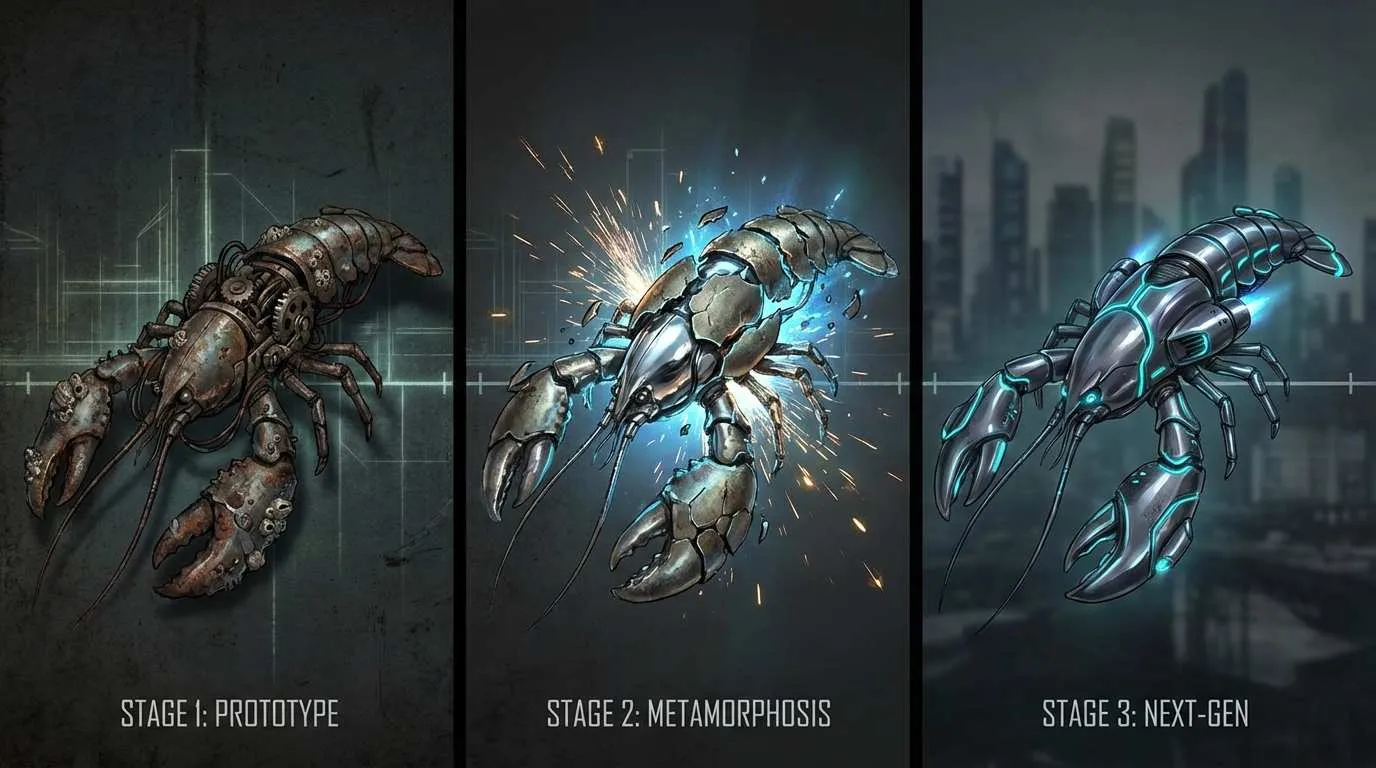
Where did the name “Clawdbot” come from? Peter said it was a tribute to Claude—notice how “Claw” sounds like “Claude.” The project’s mascot was even a lobster named “Clawd.” This kind of “tribute naming” is pretty common in the open source world—it’s fun and shows respect for big products.
At the time, no one thought this name would become the start of trouble.
The Turning Point: Anthropic’s Trademark Objection (January 27, 2026)
January 27, 2026, things got real.
Anthropic (the company that developed Claude) contacted Peter, saying “Clawd” and “Claude” sound too similar, both are in the AI assistant space, users could easily get confused, and it potentially infringes on their trademark. Note: this wasn’t a cease-and-desist letter, it was a friendly negotiation. But let’s be real—when a big company wants to “negotiate friendly,” do you dare not comply?
Peter reacted quickly. That same day, he launched a community vote to choose a new name. They settled on “Moltbot.”
Why Moltbot? “Molt” is what lobsters do when they shed their shells. Lobsters molt to grow, symbolizing the project’s growth and evolution. Sounds poetic, right?
Community vote passed, GitHub repository renamed, documentation updated, social media accounts rebranded. All done in a day, quick and efficient.
And then—it lasted 3 days.
Yeah, you read that right. Moltbot, the name, existed from January 27 to January 30—a grand total of 72 hours.
The Final Act: Birth of OpenClaw (January 30, 2026)
January 30, Peter issued another announcement: renaming again, this time to OpenClaw.
Why was Moltbot abandoned after just 3 days? Two reasons.
First, the hasty rename left problems. While Moltbot no longer used “Clawd,” community feedback said it lacked recognition, and Peter realized he hadn’t done thorough trademark searches—what if Moltbot also had trademark issues? Better to fix it now than change again later.
Second, and more absurd: during the rename, cryptocurrency scammers saw an opportunity. Peter abandoned old social media accounts, which scammers immediately hijacked, posting fake token announcements and using Clawdbot’s popularity to scam people. The comment sections became chaos—some blamed Peter, others said they got scammed, and many couldn’t tell who was official.
This freaked Peter out. Rather than keep struggling with the Moltbot name, better to completely rebrand and cut all ties with the mess.
Thus, OpenClaw was born. This time Peter was smarter:
- Completed full trademark searches in advance to confirm no conflicts
- Pre-purchased the domain (openclaw.com)
- Wrote migration scripts to help users upgrade
- Thoroughly communicated with the community, explaining why another change was necessary
The name “OpenClaw” was also thoughtful: “Open” represents open source, “Claw” maintains the lobster theme. It distances from Anthropic while keeping the project’s identity.
After the January 30 announcement, things finally stabilized. As of early February, OpenClaw became the official and final name.
Why Rename?—Trademark Law Meets Open Source Projects
Many people might think: isn’t Anthropic making a big deal out of nothing? An open source project pays tribute to you—shouldn’t that be flattering?
Actually, it’s not that simple.
The Logic of Trademark Law
Trademark protection centers on “preventing consumer confusion.” Judging whether two trademarks are similar mainly considers three factors:
- Phonetic similarity: Clawd and Claude sound almost identical when spoken
- Industry overlap: Both are AI assistants in direct competition
- Confusion potential: Users seeing Clawdbot might assume it’s Anthropic’s official product or collaboration
Think about it from their perspective. If you opened a coffee shop called “Star Dads Coffee,” wouldn’t Starbucks come after you? Absolutely. Even if you’re just a small business, they have to protect their brand. It’s not bullying the little guy—it’s a legal obligation. If you don’t actively defend your trademark, you lose protection later.
Coming back to Anthropic, their approach was actually quite restrained. No legal letters, no lawsuits, just private contact with Peter to discuss. That’s pretty gentle by tech industry standards.
The Naming Dilemma for Open Source Projects
The issue is, open source culture has a “tribute tradition.” Many project names are puns, homonyms, or acronyms that reference big company products—it’s fun and approachable. For example:
- PyTorch (Python + Torch)
- Kubernetes (open source version of Google’s internal Borg project)
- Docker (shipping containers, metaphor for containerization)
But these projects were either open sourced by big companies themselves, or their names didn’t create direct trademark conflicts. Clawdbot was different—it was an independent project, the name was too similar to Claude, and the project blew up too fast. Peter said on Reddit that early on, he never imagined it would get this big, so he didn’t do trademark searches. By the time he realized the problem, it already had 110,000 stars.
That’s the dilemma many indie developers face: casually pick a name during the creative phase, then discover you’ve stepped on a landmine once the project takes off.
Peter’s Reflection
After the rename, Peter wrote in his blog (paraphrased): “If you’re planning an open source project, even just for fun, please do trademark searches in advance and secure your domain. Don’t wait until the project goes viral to rename—the migration cost is too high.”
Honestly, he handled it pretty well—admitted mistakes, responded quickly, communicated transparently with the community. If it were someone else, they might have fought with Anthropic, and that would’ve really blown up.
Why Did Moltbot Only Last 3 Days?—The Awkwardness of a Transition Name
Moltbot might be one of the shortest-lived project names in open source history.
The Price of Hasty Decisions
On January 27, Peter received Anthropic’s trademark objection and launched a community vote within hours. Can you imagine? A project with 140,000 stars, something as major as renaming, voted on and changed the same day.
Speed was there, but not thorough consideration. During the community vote, people mainly looked at whether the name sounded cool enough—nobody did trademark searches. “Molt” (shedding) sounded meaningful, kept the lobster theme, so they went with it.
The result? After the change, several problems emerged:
- Low recognition: Molt is too obscure, many people don’t know what it means
- Search unfriendly: Searching “Moltbot” returns tons of biological articles about lobster molting
- Trademark unchecked: Peter only realized afterward he hadn’t confirmed if Moltbot had trademark issues
Scammers Seize the Opportunity
Worse still, a major mess happened during the rename.
Peter abandoned old social media accounts, planning to use new ones for Moltbot announcements. Cryptocurrency scammers, eyeing this hot project, hijacked the abandoned accounts and posted fake messages about launching “Clawdbot tokens,” urging fans to buy fast.
Can you imagine the scene? Official accounts posting Moltbot news, old accounts pushing Clawdbot token ads, comment sections erupting in chaos:
- “Which one is official?”
- “I bought the tokens, what now?”
- “Is Peter pulling a rug pull?”
Peter said on Reddit that during those days, he received hundreds of private messages—people calling him a scammer, asking if they could get refunds, some thinking he was in cahoots with the scammers.
The Decision to Cut Through the Chaos
By January 30, Peter figured it out: rather than keep struggling with the Moltbot name, better to change again and solve the problem completely.

This time he was fully prepared:
- Paid a professional team for comprehensive trademark searches
- Pre-purchased the openclaw.com domain
- Wrote scripts for migrating from Clawdbot/Moltbot to OpenClaw
- Synchronized announcements across Discord, GitHub, Reddit, and multiple platforms
Someone asked him: aren’t you afraid the community will revolt? Two name changes in a month—won’t users flee?
Peter’s answer was pragmatic: “Short-term pain beats long-term pain. Change now, lose some users; wait for problems later, the project might collapse.”
Turns out he was right. After the OpenClaw rename announcement, the community was mostly supportive. People understood his predicament and recognized this rename was more careful. GitHub stars didn’t drop—they rose from 110,000 to 142,000.
Practical Guide—How to Identify Resources from Different Periods
Alright, story’s over, let’s get practical. If you want to use OpenClaw now, how do you determine which online tutorials and documentation are still useful?
Timeline Quick Reference
First, remember these three periods:
| Period | Project Name | Timeframe | Resource Characteristics |
|---|---|---|---|
| Phase 1 | Clawdbot | November 2025 - January 27, 2026 | Most tutorials and videos |
| Phase 2 | Moltbot | January 27-30, 2026 | Very few resources, can ignore |
| Phase 3 | OpenClaw | January 30, 2026 - present | Official latest documentation |
GitHub Repository: Auto-Redirects, Safe to Use
Good news is, GitHub handles redirects automatically.
- Searching “Clawdbot” or “Moltbot” automatically redirects to the OpenClaw official repository
- Old GitHub links (
github.com/xxx/clawdbot) also redirect, won’t 404 - Forked repositories might still have old names, but it’s the same code
How to verify:
- Check the repository’s latest commit time—is it after January 30, 2026?
- Check the README file—official repository will note “formerly known as Clawdbot”
Documentation and Tutorials: Check Dates, Content is Universal
This is the most confusing part. On search engines, YouTube, and tech blogs, you’ll see all three names mixed together.
How to judge:
-
Check publication date:
- Tutorials before January 27, 2026 use Clawdbot
- Between January 27-30 might be Moltbot (but rare)
- After January 30 should be OpenClaw
-
Focus on content, not titles:
- Core functionality hasn’t changed—installation, configuration, and usage are basically the same
- Main differences are minor variations in CLI tool names or config file names
- For example:
clawdbot runmight becomeopenclaw run
-
Comment sections are gold:
- If a tutorial uses the old name, comments usually have reminders like “This has been renamed to OpenClaw”
- People might also post the corresponding new commands
Social Media and Community
- Twitter/X: Search
#OpenClawfor latest news; old#Clawdbothashtag also has historical discussions - Discord: Official Discord unified as OpenClaw; old Clawdbot channels were renamed
- Reddit: r/OpenClaw is the official subreddit, but searching “Clawdbot” also finds discussion threads
One recommendation: Stick to the official domain openclaw.com and official GitHub. When encountering uncertain resources, verify with official channels first to avoid scam websites.
Actual Impact on Users—Functionality Unchanged, Just a New Sign
After all that, you’re probably most concerned about one question: how does the rename affect me using this tool?
Answer: Almost no impact.
Code Level: Core Functionality Completely Identical
OpenClaw’s codebase is a continuation of Clawdbot. Only the project name, repository name, and CLI tool name changed—the core logic hasn’t changed a single line.
It’s like your favorite restaurant changed its sign—the menu, chef, and taste haven’t changed, you still order the same dishes, and it’s still delicious.
If you’re already using Clawdbot/Moltbot:
- Old versions can continue working, won’t suddenly fail
- Official provides migration guide, follow the steps to upgrade to OpenClaw
- Config files might need minor changes, but scripts handle it automatically
If you’re a new user:
- Go directly to the OpenClaw official repository for the latest version
- Follow official documentation—more accurate than old tutorials
- When encountering old-name tutorials, reference core steps but use OpenClaw commands
Community Intact, Ecosystem Still Strong
This is most important. The biggest fear with renaming is community fragmentation and user loss. But OpenClaw handled it well:
- GitHub stars continue growing: From Clawdbot’s 110,000 to OpenClaw’s 142,000
- Development team unchanged: Peter and core contributors are still active, update frequency hasn’t dropped
- Open source license unchanged: Still MIT License—you can freely use, modify, and commercialize
Only Minor Hassle: Search and Discoverability
Renaming does create one issue: search engine optimization (SEO) needs to be rebuilt.
Right now, searching “Clawdbot tutorial” finds tons of resources; searching “OpenClaw tutorial” might not yield as many. But this is temporary—over time, OpenClaw content will accumulate.
If you’re writing tutorials or making videos, I suggest including “OpenClaw (formerly Clawdbot)” in titles so both audiences can find it.
Conclusion
To sum up this “renaming saga”:
Clawdbot → Moltbot → OpenClaw is essentially the same project. The rename was due to trademark compliance issues, not product problems, and definitely not the developer abandoning ship. Peter’s handling, while a bit messy (two changes in a month is rare), was overall responsible: quick response, transparent communication, taking accountability.
Lessons for open source projects:
- Don’t just pick fun names—do trademark searches in advance
- Buy your domain when the project launches, don’t wait until it’s popular
- Naming too similar to big company products will cause trouble eventually
- If you rename, do it right the first time—don’t drag it out
For us users:
- Don’t worry, functionality hasn’t changed, keep using it
- Stick to official channels, don’t fall for scam sites
- Old tutorials still work—core steps are universal
One last honest thought: I think the name OpenClaw is more professional than Clawdbot and better suited for long-term development. While the renaming was chaotic, every cloud has a silver lining, right?
If you’re interested in OpenClaw, search “OpenClaw” on GitHub now, give it a star, and try following the official documentation. Who knows? The next 140,000-star project might have your contribution.
FAQ
Are Clawdbot, Moltbot, and OpenClaw the same project?
Why did OpenClaw change names twice?
Does the rename affect user experience?
How can I tell if Clawdbot-era tutorials are still usable?
What are OpenClaw's official website and GitHub address?
Why did Anthropic raise trademark objections?
Why did Moltbot only last 3 days?
15 min read · Published on: Feb 4, 2026 · Modified on: Mar 23, 2026

Related Posts
Agent Sandbox Guide: A Complete Solution for Safely Running AI Code

Agent Sandbox Guide: A Complete Solution for Safely Running AI Code
AI Coding Tools Landscape 2026: From Copilot to the Agent Era

AI Coding Tools Landscape 2026: From Copilot to the Agent Era
Computer-Use Agent: Let AI Operate Your Computer

Comments
Sign in with GitHub to leave a comment